Chapter 10 - THE NAME ON THE DOOR

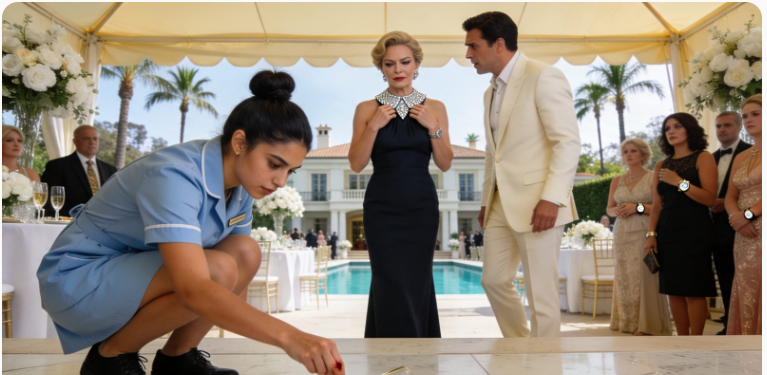
On the morning the court released the frozen voting rights, I walked through the lobby where Vivienne had slapped me. The marble had been cleaned, but I could still remember the sound.
The next part began with a first uneasy meeting. We were surrounded by the cold edge of a marble counter, and I kept returning to one practical objective: find out why Charlotte had worked so hard to control the story. I had learned that a grand accusation could be brushed aside, while one small fact with a date and a witness could change everything. I knew then that the next choice would be mine. I opened the notebook I had started after the funeral and wrote down what we knew, what we merely suspected, and what we still needed to prove.
"I am not asking for a favor," I said. "I am asking you to tell the truth, even if it costs you." The reply was not immediate. A glance traveled toward the nearest doorway, and the pause told me more than a rehearsed denial would have. I asked for the time, the location, and the names of everyone who had handled the document. No one could agree on all three. When I repeated the question, the answer changed. I wrote down the new version without interrupting. If someone was inventing a history for my family, I wanted to hear every draft.
I remembered my mother sitting at the kitchen table after a long day, still wearing her reading glasses, explaining that hotels were built on promises people could actually keep. A clean room. A safe door. A paycheck that arrived on time. She would never have mistaken a beautiful lobby for a healthy company. That memory mattered now because the people around Charlotte were trying to make this a fight about wealth and pride. It was really about who could be trusted with other people’s livelihoods.
When Natalie spoke again, the account gained a detail I could test: the final accounting. The detail was ordinary enough to be overlooked, which made it useful. We agreed to keep the original untouched and work from a photographed copy with its date and source recorded. Daniel had been adamant about that. A dramatic reveal might win a room for a minute, he said, but a clean chain of custody could survive a judge’s questions. I did not know yet whether we would ever reach a courtroom. I was preparing as if we would.
Outside, the world continued as though my life had not come apart. Someone laughed into a phone. A delivery driver argued over a parking space. I found myself envying their ordinary problems. Then I noticed how quickly that envy turned into resolve. I knew then that the next choice would be mine. I called Daniel, gave him only the facts we had verified, and asked him to tell me what could go wrong. He named three possibilities. I made him name a fourth. By the end of the call, we had a safer plan than the one I had wanted to rush into.
Our route led back toward the restored Solmere lobby. I did not go alone. The first time I had entered Solmere in plain clothes, I had believed that being the owner’s daughter would protect me if I was discovered. I knew better now. Marcus arranged a witness to our arrival, and Natalie kept a copy of the appointment request. Every small precaution felt painfully unglamorous. That was precisely why I trusted it. People who had relied on intimidation were counting on me to make a reckless move they could explain away.
We found a discrepancy that did not fit Charlotte’s version. A reference number pointed to a file created after the event it supposedly documented. The person responsible might have made an innocent clerical mistake, but a second mismatch sat beside it, and then a third. I did not announce victory. I asked who had access to the system, who approved corrections, and whether the older backups still existed. Natalie answered the last question with a careful nod. For the first time that day, I felt something sturdier than hope.
The hardest moment came when someone offered to help on the condition that we keep their name out of it. I wanted the evidence, but I could see the fear behind the request. My mother had taught me that loyalty could not be purchased by demanding that the vulnerable take all the risks. We found another way: Daniel would receive the material through a documented confidential channel, and no public accusation would name the source until it was necessary and lawful. The relief on that person’s face made me ashamed of how close I had come to insisting.
By evening, our progress had drawn attention. A message arrived from an unknown number: STOP DIGGING. YOU WILL LOSE MORE THAN MONEY. I showed it to Marcus instead of deleting it. He photographed the screen, noted the time, and asked whether I wanted to call the police. I said yes. Fear was no longer a private weakness I had to conceal. It was evidence of how far someone might go to keep control. When I finally looked at my reflection, the cut on my lip had begun to heal. The deeper injury had not.
That night I spread the notes across the table and drew lines between the final accounting, the restored Solmere lobby, and Eleanor’s last private message. The pattern was not complete, but it was no longer random. I knew then that the next choice would be mine. I called Natalie once more and asked the question I had avoided all day: "If we prove this, who else gets hurt?" The answer came slowly. "People who thought they were safe," Natalie said. I put the phone down and understood that the next step would not simply recover an inheritance. It would force everyone around Solmere to choose a side.
The next part began with a discovery. We were surrounded by the blue glow of a security monitor, and I kept returning to one practical objective: check the final accounting against the earliest surviving records. I had learned that a grand accusation could be brushed aside, while one small fact with a date and a witness could change everything. My anger was real, but anger was not evidence. I opened the notebook I had started after the funeral and wrote down what we knew, what we merely suspected, and what we still needed to prove.
"You keep talking as though this is a misunderstanding," I said. "It is not. Someone used my name without permission." The reply was not immediate. A glance traveled toward the nearest doorway, and the pause told me more than a rehearsed denial would have. I asked for the time, the location, and the names of everyone who had handled the document. No one could agree on all three. When I repeated the question, the answer changed. I wrote down the new version without interrupting. If someone was inventing a history for my family, I wanted to hear every draft.
I remembered my mother sitting at the kitchen table after a long day, still wearing her reading glasses, explaining that hotels were built on promises people could actually keep. A clean room. A safe door. A paycheck that arrived on time. She would never have mistaken a beautiful lobby for a healthy company. That memory mattered now because the people around Charlotte were trying to make this a fight about wealth and pride. It was really about who could be trusted with other people’s livelihoods.
When Natalie spoke again, the account gained a detail I could test: the final accounting. The detail was ordinary enough to be overlooked, which made it useful. We agreed to keep the original untouched and work from a photographed copy with its date and source recorded. Daniel had been adamant about that. A dramatic reveal might win a room for a minute, he said, but a clean chain of custody could survive a judge’s questions. I did not know yet whether we would ever reach a courtroom. I was preparing as if we would.
Outside, the world continued as though my life had not come apart. Someone laughed into a phone. A delivery driver argued over a parking space. I found myself envying their ordinary problems. Then I noticed how quickly that envy turned into resolve. My anger was real, but anger was not evidence. I called Daniel, gave him only the facts we had verified, and asked him to tell me what could go wrong. He named three possibilities. I made him name a fourth. By the end of the call, we had a safer plan than the one I had wanted to rush into.
Our route led back toward the restored Solmere lobby. I did not go alone. The first time I had entered Solmere in plain clothes, I had believed that being the owner’s daughter would protect me if I was discovered. I knew better now. Marcus arranged a witness to our arrival, and Natalie kept a copy of the appointment request. Every small precaution felt painfully unglamorous. That was precisely why I trusted it. People who had relied on intimidation were counting on me to make a reckless move they could explain away.
We found a discrepancy that did not fit Charlotte’s version. A reference number pointed to a file created after the event it supposedly documented. The person responsible might have made an innocent clerical mistake, but a second mismatch sat beside it, and then a third. I did not announce victory. I asked who had access to the system, who approved corrections, and whether the older backups still existed. Natalie answered the last question with a careful nod. For the first time that day, I felt something sturdier than hope.
The hardest moment came when someone offered to help on the condition that we keep their name out of it. I wanted the evidence, but I could see the fear behind the request. My mother had taught me that loyalty could not be purchased by demanding that the vulnerable take all the risks. We found another way: Daniel would receive the material through a documented confidential channel, and no public accusation would name the source until it was necessary and lawful. The relief on that person’s face made me ashamed of how close I had come to insisting.
By evening, our progress had drawn attention. A message arrived from an unknown number: STOP DIGGING. YOU WILL LOSE MORE THAN MONEY. I showed it to Marcus instead of deleting it. He photographed the screen, noted the time, and asked whether I wanted to call the police. I said yes. Fear was no longer a private weakness I had to conceal. It was evidence of how far someone might go to keep control. When I finally looked at my reflection, the cut on my lip had begun to heal. The deeper injury had not.
That night I spread the notes across the table and drew lines between the final accounting, the restored Solmere lobby, and Eleanor’s last private message. The pattern was not complete, but it was no longer random. My anger was real, but anger was not evidence. I called Natalie once more and asked the question I had avoided all day: "If we prove this, who else gets hurt?" The answer came slowly. "People who thought they were safe," Natalie said. I put the phone down and understood that the next step would not simply recover an inheritance. It would force everyone around Solmere to choose a side.
The court invalidated the forged voting documents and blocked the forced transfer; the disputed loan entered a supervised restructuring. Richard and Julian faced fraud charges, while investigators continued reviewing Eleanor’s death without announcing a conclusion. Charlotte restored dismissed employees, commissioned an independent board review, and opened the company’s books to its staff representatives. In Eleanor’s last recorded message, she told Charlotte: "Do not save the name at the cost of the people who gave it meaning."
I opened the front doors myself. For the first time since the funeral, the hotel felt like home—not because it belonged to me, but because I had chosen to protect it.
You may like