Chapter 6 - THE TRIAL OF THE SERVANT
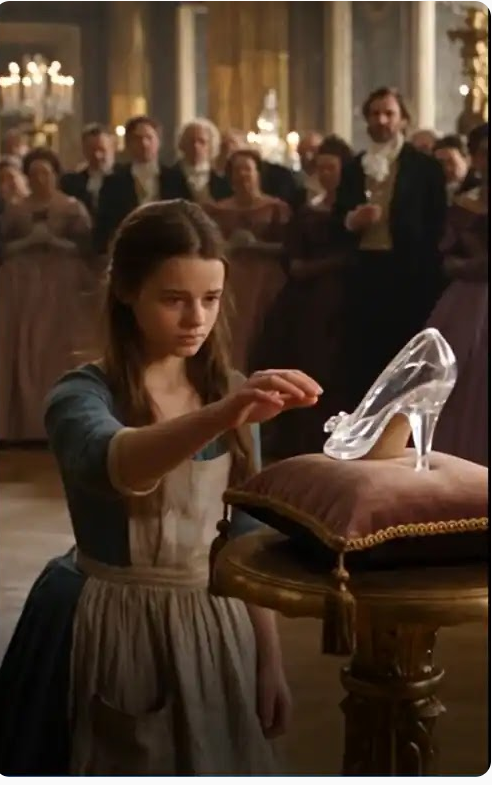
By morning the palace had become a theater, and every witness had been given a part.
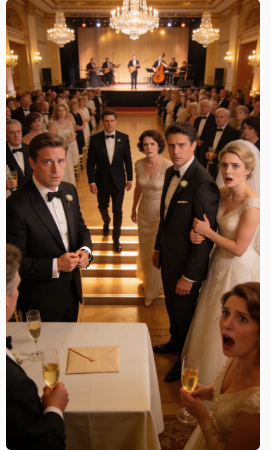
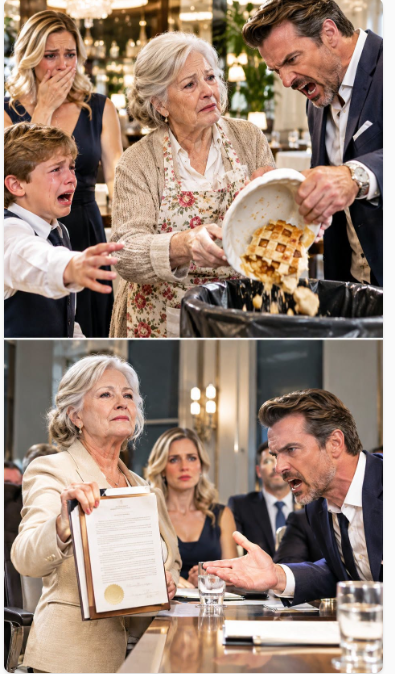
At the hearing, Varrick stages witnesses claiming Ella stole the slipper and forged her identity.
In the crowded courtroom, even the smallest sound seemed to matter. Adrian had learned that a palace could hide a threat beneath polished stone and a promise beneath perfect manners. The candles burned steadily, indifferent to the people who had spent years lying to one another. Nothing in the room was as simple as it looked, and the truth was never going to arrive neatly wrapped in an official document. It would have to be carried into daylight by someone willing to lose something precious.
"Tell me what you know," Adrian said. The words were quiet enough that only the council could hear. "Not what they want us to believe. What you actually know." There was a pause. Beyond the doorway came the scrape of a boot, the murmur of two guards changing shifts, and the faint sound of a clock measuring time nobody could afford to waste. "I know that fear has kept this family silent," came the answer. "And I know silence has never protected the innocent."
Ella thought of Jonah’s rough hands and the little house where he had taught her to mend a broken heel instead of throwing the shoe away. He had never pretended that kindness could solve every problem. He had taught her something harder: when you had very little power, you were responsible for how you used the little you possessed. She had carried that lesson through hungry winters, through work that left her fingers raw, and through every insult offered by people who had never learned her name. Now she held on to it as tightly as she once held his hand.
Adrian watched the people around him and recognized the old habits of his upbringing: the instinct to issue an order, to hide uncertainty, to treat a frightened person as a problem to be managed. He resisted it. Ella was not a piece on a chessboard, and whatever happened next could not be decided over her head. "You can say no," he told her when they had a moment alone. "Even to me." She studied him, searching for the trap. "Then listen when I say I want the truth," she replied. "Not a rescue that costs someone else their freedom."
Their next decision was not heroic in the way ballads described heroism. They checked which doors were guarded. They counted the people who might be endangered by a careless accusation. They chose whom to trust and admitted, painfully, that trust was not certainty. A palace survived by teaching everyone to look upward for permission. Ella was beginning to understand that change might start when someone looked sideways instead, toward the cook, the footman, the washerwoman, and the child who had been told to keep quiet.
For a long moment no one moved. The question before them was not simply who had the right to wear a crown. It was who would be allowed to tell the story of what had happened, and who would be forced to live with the official version. Ella could not undo the years stolen from her. She could not make Jonah alive again or erase the fear in Isolde’s eyes. But she could refuse to let another person disappear into a convenient lie. When she finally spoke, her voice did not shake. "We keep going," she said. "And we bring everyone we can safely bring with us."
Adrian publicly admits he met Ella months before the ball and that she helped him while expecting nothing.
In the crowded courtroom, even the smallest sound seemed to matter. Ella had learned that a palace could hide a threat beneath polished stone and a promise beneath perfect manners. The candles burned steadily, indifferent to the people who had spent years lying to one another. Nothing in the room was as simple as it looked, and the truth was never going to arrive neatly wrapped in an official document. It would have to be carried into daylight by someone willing to lose something precious.
"Tell me what you know," Ella said. The words were quiet enough that only Adrian could hear. "Not what they want us to believe. What you actually know." There was a pause. Beyond the doorway came the scrape of a boot, the murmur of two guards changing shifts, and the faint sound of a clock measuring time nobody could afford to waste. "I know that fear has kept this family silent," came the answer. "And I know silence has never protected the innocent."
Ella thought of Jonah’s rough hands and the little house where he had taught her to mend a broken heel instead of throwing the shoe away. He had never pretended that kindness could solve every problem. He had taught her something harder: when you had very little power, you were responsible for how you used the little you possessed. She had carried that lesson through hungry winters, through work that left her fingers raw, and through every insult offered by people who had never learned her name. Now she held on to it as tightly as she once held his hand.
Adrian watched the people around him and recognized the old habits of his upbringing: the instinct to issue an order, to hide uncertainty, to treat a frightened person as a problem to be managed. He resisted it. Ella was not a piece on a chessboard, and whatever happened next could not be decided over her head. "You can say no," he told her when they had a moment alone. "Even to me." She studied him, searching for the trap. "Then listen when I say I want the truth," she replied. "Not a rescue that costs someone else their freedom."
Their next decision was not heroic in the way ballads described heroism. They checked which doors were guarded. They counted the people who might be endangered by a careless accusation. They chose whom to trust and admitted, painfully, that trust was not certainty. A palace survived by teaching everyone to look upward for permission. Ella was beginning to understand that change might start when someone looked sideways instead, toward the cook, the footman, the washerwoman, and the child who had been told to keep quiet.
For a long moment no one moved. The question before them was not simply who had the right to wear a crown. It was who would be allowed to tell the story of what had happened, and who would be forced to live with the official version. Ella could not undo the years stolen from her. She could not make Jonah alive again or erase the fear in Isolde’s eyes. But she could refuse to let another person disappear into a convenient lie. When she finally spoke, her voice did not shake. "We keep going," she said. "And we bring everyone we can safely bring with us."
Isolde hesitates when she sees the scar on Ella’s wrist match her own.
In the crowded courtroom, even the smallest sound seemed to matter. Adrian had learned that a palace could hide a threat beneath polished stone and a promise beneath perfect manners. The candles burned steadily, indifferent to the people who had spent years lying to one another. Nothing in the room was as simple as it looked, and the truth was never going to arrive neatly wrapped in an official document. It would have to be carried into daylight by someone willing to lose something precious.
"Tell me what you know," Adrian said. The words were quiet enough that only Ella could hear. "Not what they want us to believe. What you actually know." There was a pause. Beyond the doorway came the scrape of a boot, the murmur of two guards changing shifts, and the faint sound of a clock measuring time nobody could afford to waste. "I know that fear has kept this family silent," came the answer. "And I know silence has never protected the innocent."
Ella thought of Jonah’s rough hands and the little house where he had taught her to mend a broken heel instead of throwing the shoe away. He had never pretended that kindness could solve every problem. He had taught her something harder: when you had very little power, you were responsible for how you used the little you possessed. She had carried that lesson through hungry winters, through work that left her fingers raw, and through every insult offered by people who had never learned her name. Now she held on to it as tightly as she once held his hand.
Adrian watched the people around him and recognized the old habits of his upbringing: the instinct to issue an order, to hide uncertainty, to treat a frightened person as a problem to be managed. He resisted it. Ella was not a piece on a chessboard, and whatever happened next could not be decided over her head. "You can say no," he told her when they had a moment alone. "Even to me." She studied him, searching for the trap. "Then listen when I say I want the truth," she replied. "Not a rescue that costs someone else their freedom."
Their next decision was not heroic in the way ballads described heroism. They checked which doors were guarded. They counted the people who might be endangered by a careless accusation. They chose whom to trust and admitted, painfully, that trust was not certainty. A palace survived by teaching everyone to look upward for permission. Ella was beginning to understand that change might start when someone looked sideways instead, toward the cook, the footman, the washerwoman, and the child who had been told to keep quiet.
For a long moment no one moved. The question before them was not simply who had the right to wear a crown. It was who would be allowed to tell the story of what had happened, and who would be forced to live with the official version. Ella could not undo the years stolen from her. She could not make Jonah alive again or erase the fear in Isolde’s eyes. But she could refuse to let another person disappear into a convenient lie. When she finally spoke, her voice did not shake. "We keep going," she said. "And we bring everyone we can safely bring with us."
The night did not offer an answer. Instead, it left one more question hanging between them, sharper than the last: if the truth was finally spoken aloud, who would be brave enough to live differently afterward?
More chapters
You may like