Chapter 8 - THE PERSON BEHIND THE CAMERA
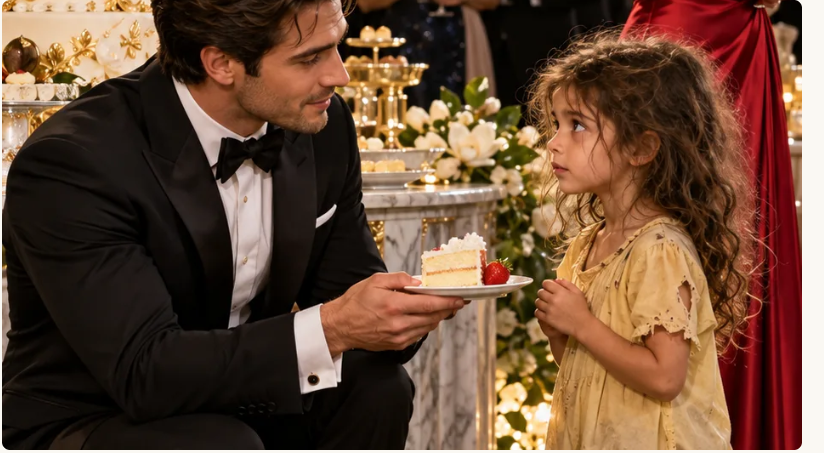
The photograph had been printed by a local media consultant named Grant Mercer. He had worked on the gala's publicity campaign and had been paid by Rochefort Strategies. His contract included social media management, donor photography, and “impact storytelling.”
The investigator interviewed him. Grant admitted sending the photograph but claimed he meant it as a warning. He said Elisa had asked him to keep images of Mia because the incident could be turned into a public relations campaign if the foundation lost control of the story.
“Did she ask you to publish the photograph?” the investigator asked.
“Not yet.”
“Why keep it?”
Grant said the foundation's communications team had planned a series of posts about “the little girl who reminded everyone why charity matters.” They intended to use the image to soften the backlash from the gala.
I felt sick.
Mia had not asked to become a story. She had asked for cake.
Our counsel contacted every platform where the photograph might appear and requested removal. Harbor House issued a notice to staff reminding them not to share resident images without current written consent. Lena was given the option to move to a confidential location while the investigation continued.
She chose to stay at Harbor House after speaking with Naomi and the shelter director. The staff increased visitor screening and arranged a safe route for Mia to attend preschool.
Meanwhile, the forensic audit uncovered a second layer of financial activity. Some of the missing money had been routed through a nonprofit called Bright Steps Initiative. Its public materials described tutoring and meal support for children. It had no classrooms, no registered teachers, and no meal program.
Its director was Elisa's cousin.
The nonprofit had received nearly eight hundred thousand dollars.
The investigator asked whether I wanted to make a public statement. I agreed, but only after the affected shelters had been notified and the children's images removed.
At the press conference, I stood beside the independent trustee and the auditor.
“We are investigating serious financial irregularities,” I said. “The findings so far suggest that money designated for shelters and children's programs may have been diverted through related entities. We have notified the appropriate authorities. The restricted pledge will be administered independently, and partner organizations will receive direct support while the review continues.”
A reporter asked whether Elisa Rochefort had stolen the money.
“I will not declare anyone guilty before the investigation is complete. The records speak for themselves, and the authorities will determine responsibility.”
Another reporter asked about Mia.
“I will not discuss a child's identity or private circumstances. She deserves privacy, not publicity.”
That evening, the independent trust made its first emergency payments to Harbor House and four other partner shelters. Each payment went directly to a verified vendor or service provider. The shelters selected the supplies and confirmed delivery.
Naomi sent me a photograph of the repaired kitchen's new refrigerator, but she made sure no residents appeared in the frame.
Grant Mercer agreed to provide the full communications archive in exchange for consideration of his cooperation. The files showed that the proposed “little girl campaign” had been discussed before the gala. The team had not known Mia would enter the garden, but once the incident happened, Elisa saw an opportunity to turn it into a story about the foundation's compassion.
The draft headline read: A SLICE OF HOPE.
I read it twice.
The phrase made the child's hunger sound like a marketing concept.
The communications team had also drafted a release describing Mia as a “shelter success story,” even though she had never agreed to be part of a campaign and her family had not received any direct benefit from the foundation at that time.
I asked the trust's privacy adviser to review the entire archive for other cases. We found several examples of residents' images used beyond the scope of their consent. Each family was contacted through an advocate and offered a clear choice: removal, correction, or no action.
Some wanted the photographs deleted. One family wanted a public correction because a fundraising brochure had described their child as having received a scholarship that had never been awarded.
The trust published the correction without identifying the family.
Naomi said the process was important because it gave people control over what happened to their own stories.
“People who need help are not public property,” she said.
I wrote that down too.
The financial investigation continued. Bright Steps Initiative had received money for tutoring programs that did not exist. Its bank account had been used to pay a private mortgage and several personal credit card balances. The cousin who served as director claimed she had been told the transfers were temporary reimbursements.
The prosecutor asked her to provide all messages with Elisa and Richard. She agreed.
At the press conference, a reporter asked whether the foundation's entire charitable mission had been a fraud.
“No,” I said. “Many staff members and partner organizations did real work. The misconduct appears to involve specific people and financial arrangements. We will not erase the work of those who served families honestly.”
Another asked whether I regretted making the announcement at the gala.
I thought of Mia's question.
“No. I regret that a child had to be humiliated before we paid attention.”
That answer appeared in the evening news. I worried it might bring more attention to Mia, so I asked the shelter to monitor social media and contact platforms if her identity was exposed. The trust also published a statement asking the public not to speculate about or seek out the child.
The next morning, Lena told Naomi that someone had recognized Mia's drawing on a local blog. The blog had not named her, but it had posted a photograph of the original artwork without permission.
We contacted the editor and requested removal. The editor apologized and took it down.
Mia did not need to know about any of it.
She needed to go to preschool, play with her crayons, and feel safe walking into a room where food was served.
That was the measure I kept returning to.
The next day, Mia's drawing arrived in an envelope. It showed the yellow-door house again, this time with a small garden and a cat sitting beside the steps. She had written my name in uneven letters at the bottom.
Lena also included a note.
Mia wanted you to know she isn't afraid of the cake anymore. She says she knows where to ask for help now.
I put the drawing beside the photograph of my parents on my desk.
But the investigation was far from over.
The authorities had obtained bank records showing that a portion of the diverted funds had been transferred to an account controlled by Richard Vale. He claimed it was a temporary reserve account. The documents suggested he had received personal payments.
When I called him, he did not answer.
An hour later, his attorney contacted ours and said Richard was willing to cooperate.
Then Elisa's attorney called.
She wanted to meet.
Our counsel advised against a private conversation. We arranged an interview with investigators present.
Elisa arrived wearing a dark suit and no jewelry. She looked smaller than she had at the gala.
“I want to explain,” she said.
The investigator placed a recorder on the table.
“Start with the money,” he replied.
Elisa looked at me.
Then she said, “Richard told me to do it.”
And the room changed.
The advisory council also asked that the trust publish a plain-language explanation of every major grant category. Families and community members should be able to understand why money was being spent on staff, transportation, maintenance, or food.
The trustee agreed. A budget could be transparent without exposing a resident's private information. The report would show the purpose, amount, recipient organization, and service delivered, while keeping individual identities confidential.
Naomi said that was the balance they had wanted all along: open books, protected people.
I left the meeting with a list of revisions and a sense that the new structure was beginning to belong to more than the people who had funded it.
The trust also created a process for families to correct information in public reports. If a number was wrong, a service was mischaracterized, or an image had been used without permission, the organization could request a correction without risking its grant.
That process mattered to Naomi. She said people often stayed silent because they feared being labeled difficult. A correction should be treated as part of good administration, not as disloyalty.
The first request came from a shelter whose meal count had been reported incorrectly. The trust corrected it within two days and noted the change in the next update. No one was punished for raising the issue.
It was a small proof that the new rules could work.
The next report would show the correction, the reason, and the date it was resolved. It would remain available online. The update was public.
More chapters
You may like